- You want it to be big enough for your flock
- The minimum rule of thumb is about 2 to 3 square feet per chicken inside the chicken coop, and 8 to 10 square feet per chicken in an outside run. More square footage is better. Skimping on space requirements for a flock of chickens can cause stress, cannibalism, pecking, and sometimes even death. https://www.dummies.com/home-garden/hobby-farming/raising-chickens/how-to-determine-your-flock-size-and-space-requirements/#:~:text=The%20minimum%20rule%20of%20thumb,pecking%2C%20and%20sometimes%20even%20death.
- You want to make sure there are no holes for predators to sneak into
- Be careful when it comes to hanging a heat lamp.
- If it's too close to the hay, it can cause a fire. As good as fried chicken is, this is not the way to do that.
- Give them perches and nesting boxes.
- I've read that one nest is good for 3-4 birds. I still think the more boxes to build, the better
- Waterproof roof
- Sturdy enough for your environment
- Allow for plenty of airflow.
- It's nasty and dusty in those coops. It helps to have a window or 2 to let in some fresh air and create a draft. Just make sure you have some kind of screen in the window to block out predators.
- Also be sure to have a way to close those spaces tight for cold days.
Sunday, June 28, 2020
Building a Coop
There’s a lot to keep in mind.

Important Considerations for Free Ranging
Free ranging seemed like the most logical idea for me, being on top of a hill in the middle of nowhere. There are a lot of benefits, but there are also a lot of things I didn't even think about when I first bought my chicks.

- They poop everywhere.
- On the porch, the deck, the lawn, the concrete slab, everywhere.
- My poor UPS driver and USPS mail person probably walk in it when they drop off my packages on the porch. I've tried chasing the chickens off the porch, but they still continue to find their way
- They eat everything... including your favorite plants.
- I just got a Rhododendron that I want to plant, but have been holding off because my chickens seem to really like the taste of it even though it's poisonous to them.
- They destroyed my bleeding hearts plant.
- They seem to really just want to eat all things all the time.
- Keep them away from your garden
- They MUST be cooped at night.
- We live where the weasels, coyotes, foxes, and bear roam. If we didn't put them away at night, they would make a great dinner for any predator.
- A lot of people struggle to do this. At first, I was chasing them with a hoe to get them out from under the coop and using a broom to guide them into the coop. Running around, out of breath, almost every night. At first I thought, "hey, you know this is making me healthier" but in reality it was just super annoying.
- My solution was putting their food away in the morning. At around 7:30pm every night (during the summer anyway) they are all waiting on their perch in the coop for me to bring in their food and lock the door. Being free range, they graze and eat bugs and grass so they never starve, though they act like it every time I bring their feed into the coop. I do give them some feed at around lunch time every day. I could easily switch to just taking the food away midday and putting it back in the coop at night.
- Different things work for everyone, but it's easiest to train them as young as you can.
- ALWAYS DO A COUNT OF THE CHICKENS AT NIGHT
- If you live where people stop by often, make sure they don't have dogs with them. They will try to eat your chickens no matter how sweet they may seem.
- See my post about socializing them early for tips on how to introduce chicks to your pets.
- Get the largest "Slow" sign for your driveway that you can. I have one that is small and everyone ignores it.
- I am lucky that my chickens are rarely in the road, but the amount of dust the dirt road produces makes it hard for chickens to see and hard for people to see.
- I've noticed that if you just sit on your porch and glare at people as they come up the driveway, they slow down.
Top 3 Reasons to Free Range Your Chickens
Free-range chickens always sound better don't they? Well, they are. It’s actually healthier for you and them.

Top 3 Reasons to Free Range your Chickens
1. "Free range hens produce healthier eggs than the rest. According to DrAxe.com, eggs from free-range hens contain: ⅓ less cholesterol, ¼ less saturated fat, ⅔ more vitamin A, 2 times more omega-3, 3 times more vitamin E, 7 times more beta-carotene. Most importantly, they are usually a bit bigger in size than normal eggs."
2. Free range chickens tend to eat bugs and pest in the surrounding areas – free of charge!
3. Free-range chickens are happier, healthier chickens, so they produce tastier meat.
Just make sure they are cooped at night!
For advice on free ranging, keep an eye out for another post.
Thursday, June 25, 2020
Perching
Start them early. My brooder had a piece of plexiglss over one half and caging on the other. We put holes in the plexiglass and used a broken piece of wood from our basement. I wrapped yarn around it to make it easier for them to grip and they loved it. They liked it almost as much as the empty Keurig boxes they would use as huts.
As we moved them to their coop, the first thing we did was try to make sure they had a place to perch. They really like the branches I’ve put up, but don’t really use the swings anymore. They actually wait for me starting at around 8pm, sitting on their perches, for their food and nightly coop lockup. They also sleep on their perches too. They just seem happier. The internet says that chickens left outside often look for perches 40ft or higher. I also read that roosting perches should be 1.5 to 3 ft off the ground. I put them at multiple levels so they could have an easier time climbing up, but they still just jump to the ground when they want to get down.
Socializing them early
Chickens are smarter than I thought. They can understand up to 100 words. I recommend giving them a name, coming up with a whistle, and calling the flock the same thing like “here chickies” or “Chickens” or whatever you like as long as it’s consistent. I’m not a chicken trainer, but these have been very useful. Also, talk to them. Read your social media to them, sing, babble, whatever. It helps!

Try to handle them often so that they are used to getting picked up. As baby chicks, they are cold and scared because it’s a new world. Treat them with love, keep the brooder clean. If you have friends over, have a friend hold them. Even just walking around the yard with them in your hands works.
Our favorite chick is Gertie. We had her for 2 days and she started to be the one that would jump into my hands every time. The rest of them were generally nervous. But Gertie is still, to this day, one of the most sociable chickens I’ve met.
On another note, I also have two black labs who run around outside. Our male had a motherly instinct about the chicks from the start. Our female couldn't have cared less. We made sure to bring the dogs to the brooder daily so they could see the chicks, watch us nurture them, etc. Our dogs have since been great with them and they have been fine free ranging outside and coexisting in peace. However, WARN YOUR FRIENDS AND FAMILY NOT TO BRING A DOG OVER IF YOUR CHICKENS ARE FREE RANGING. We have had two scares now where we thought our chickens were dead or going to die because of this. They lost a lot of feathers, but they were resilient and seem to be doing fine.
Tuesday, June 16, 2020
What's a brooder? How do I set one up?
There are some key elements that every brooder needs. First is wood shavings (NOT SAWDUST). The chicks could eat the sawdust and get constipated or die and nobody wants that. The shavings are just big enough for them to not eat. Second, make sure you have a heat lamp. I read somewhere that the red heat lamps help keep chickens more calm, but I used a normal clear one that I picked up at the hardware store and it worked fine. Chicks need to stay very warm, check out this chart from Purina for details:
You should also be sure that your chicks, once adults, can withstand the temperatures where you live. For example, Plymouth Barred Rocks and ISA Browns are both pretty hardy birds and can withstand the cold temperatures in NH.
When it comes to food, make sure it is a starter/grower and not the adult pellets. Be sure they have food and water at all times. Feeders come in all shapes and sizes as do waterers, but if you're in the middle of a pandemic and can't get either of those things from Amazon for another 2 weeks, then substitute with something at home. CAUTION: Make sure the water is shallow so that the chicks don't fall in and drown. If you have a normal pet waterer, put some medium sized rocks in the bottom to prevent the chickens from drowning. Be sure to check on them and the water regularly.
Lastly, if you have other pets, like cats or dogs, keep your cats away from/protect the chicks and slowly introduce the chicks to your dogs. If this is done regularly, your dogs will likely form a friendship with your chickens, making it much safer for them to free range.

What do I feed my chicks/chickens and when?
This seems pretty simple right?
I didn't know there were so many different kinds of feeds. There's starter, grower, layer, meat, medicated, non-medicated etc. I started my chicks with Manna Pro's medicated starter/grower. The reason I chose medicated is because my chicks didn't have any vaccines when I got them and to prevent them from getting sick while they are little, I was told medicated was the way to go.
I was surprised by how big the feed was for my tiny, 2 day old chicks. However, the chicks were content and processed the food normally. They are about 7-8 weeks old now and are still on the same feed. I researched that they should be on their starter until they are around 14-18 weeks old and slowly transition them to the layer pellets feed. This means weening them off of the little stuff by mixing foods. I should note that chickens normally have runny poo or diarrhea, its a one shoot hole which means that they pee, poop, and pop eggs out of there. It's important to monitor their droppings regularly just to see if there's a change in consistency or color. They could be getting sick in their tightly enclosed brooder or if they are free ranging like mine, they might have eaten something they shouldn't.
I am also constantly learning about the different foods I can feed my chickens. I started feeding them a few table scraps here and there at around 5 weeks. We moved them into their coop with the heat lamp during that time because they were already outgrowing their brooder. They can eat strawberries, zucchini, blueberries, and a thousand different things, but there are some things to look out for. For example, the stems on strawberries are actually poisonous. If they eat one, they will be fine, but it's important to look up what foods are safe before eating them.
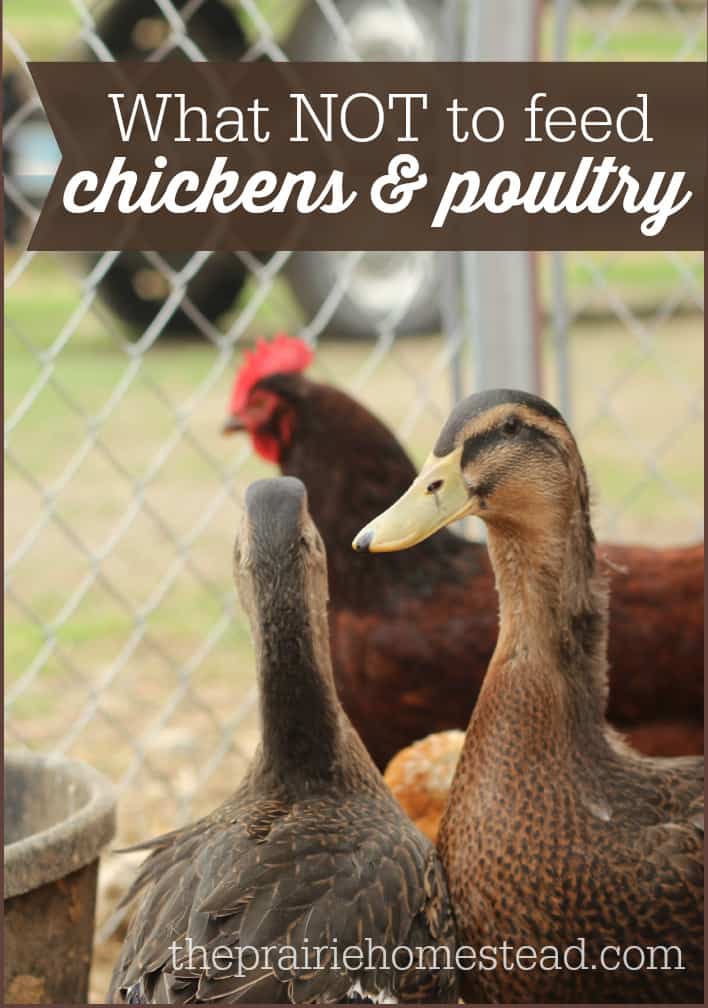
A few of the foods to stay away from are:
- Avocados
- Moldy/rotted food
- Candy/chocolate
- Citrus
- Green potato skins
- Dry beans
- Junk food
- Tomato, pepper, and eggplant leaves
Lastly, DO NOT FORGET TO REFILL THE WATER and clean it out regularly as they kick their poop in there with other things that turn into a health risk for them. Also, check the inside of the waterer before you refill it, mine started growing mold so I took the time to wash it out with dish soap. Again, this won't kill them short term, but it can make them sick.
Welcome
I understand that there are plenty of people who enjoy my chicken posts on Facebook, but I think that having a blog might be the best thing. This blog is sharing my experience raising chickens. It will include the good, the bad, the fun, the work, and everything else. Learn with me in the adventures of raising chickens. Please feel free to ask questions at any time!
Subscribe to:
Comments (Atom)
Welcome
I understand that there are plenty of people who enjoy my chicken posts on Facebook, but I think that having a blog might be the best thing....